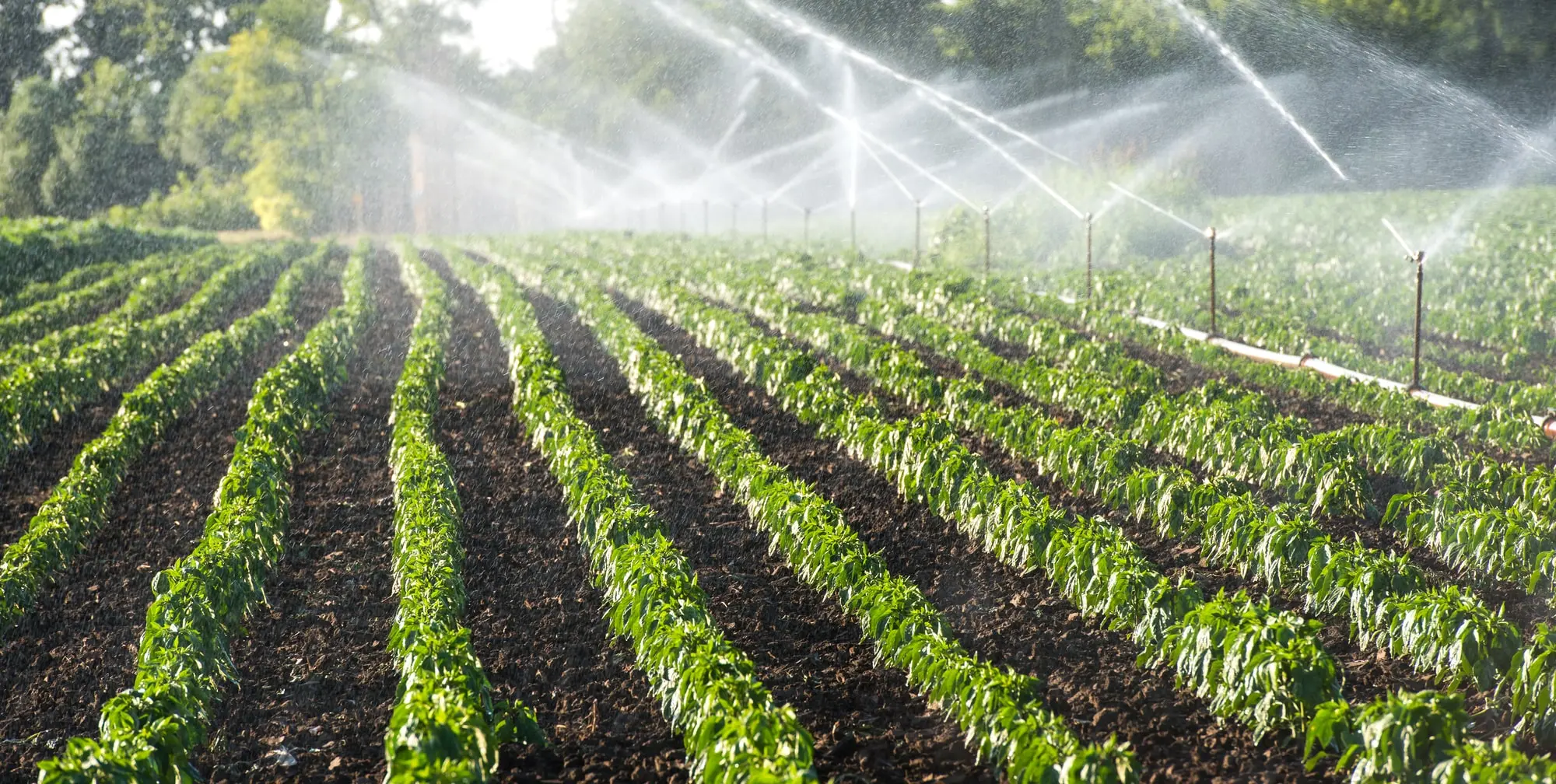
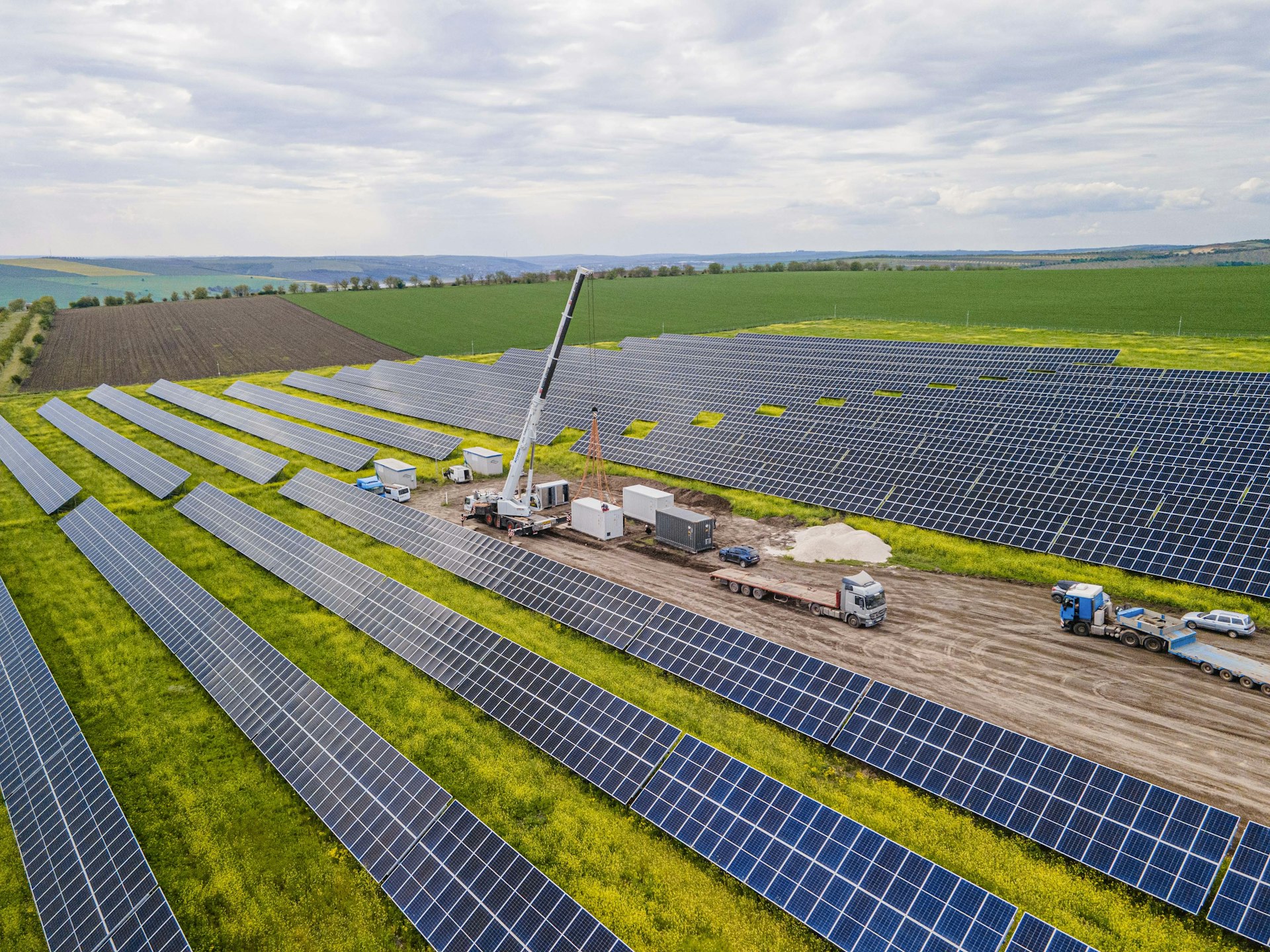
For thousands of Sri Lankan farms, the daily cost of moving water — diesel for the pump, or a long wait for a grid connection that may never come — is the single biggest constraint on what they can grow. Solar water pumping changes that equation permanently: after the initial investment, sunshine does the work, and Sri Lanka has sunshine in commercial quantities nearly year-round.
This guide walks through how these systems are built, how a professional actually sizes one, the real economics against diesel and grid power, and the three design mistakes we're most often called in to fix on failed installations.
How a solar pumping system is put together
The core components are simple: a photovoltaic array, a controller, and a pump — either a surface pump drawing from a tank, stream or shallow well, or a submersible unit for boreholes and deep wells. The controller converts the panels' DC output to drive the pump, adjusting speed continuously with the available light. Add a storage tank sized for a day or two of demand, and the system delivers water reliably even through cloudy spells — without a single battery, which is how most agricultural systems avoid their biggest maintenance cost.
Sizing: the step that decides everything
A solar pump is not bought off a shelf; it is sized from four numbers:
- Daily water requirement — calculated from your crop, area and irrigation method (a drip system may need less than half the water of flood, which shrinks the solar array too).
- Total dynamic head — how far the water must be lifted and pushed, including pipe friction losses.
- Source yield — what your well or stream can actually sustain through the dry season.
- Solar resource — peak sun hours at your site, which in most of Sri Lanka's dry zone are generous.
Get any of these wrong and you either overpay for capacity you never use, or — worse — install a system that can't fill the tank in Yala when you need it most. This is why we survey before we quote.
| Sizing input | How it's measured | What happens if it's guessed |
|---|---|---|
| Daily demand (litres/day) | Crop water requirement × area, per irrigation method | Array too small → dry crops in Yala; too big → wasted capital |
| Total dynamic head (m) | Static lift + delivery height + friction losses | Pump can't reach the tank, or burns capacity working over-spec |
| Source yield (litres/hour) | Draw-down test on the well or flow measurement | Pump outruns the well → dry-running damage |
| Peak sun hours | Site solar data, shading survey | Optimistic estimates → chronic underdelivery in cloudy spells |
The economics versus diesel and grid
Against a diesel pump, solar wins on running cost from day one: fuel, oil, filters and the quiet daily hours spent fetching and fuelling all go to zero. Most agricultural solar pumping installations recover their cost within a few years of displaced diesel spend, then pump essentially free for a service life of 20+ years on the panels. Against the grid, the case depends on connection availability and tariffs — but for land beyond the last utility pole, solar is often not just the cheaper option, it is the only realistic one.
- vs Diesel: highest running-cost saving; payback typically within a few years; no fuel logistics; near-silent operation.
- vs Grid: where a connection exists, solar hedges against tariff rises and outages; where it doesn't, solar avoids connection costs entirely.
- Hybrid: solar-primary with grid or generator backup gives estates uninterrupted supply at the lowest blended cost — the standard configuration we install for operations that cannot tolerate a dry day.
Three mistakes that sink cheap systems
- Ignoring water quality. Sand and silt destroy pump impellers. Proper intake screening and, for boreholes, correct pump placement above the well base are non-negotiable.
- No storage buffer. Systems piped straight to the field stop when a cloud passes. A correctly sized tank turns variable solar output into dependable irrigation.
- Orphan equipment. Unbranded pumps with no local spares become scrap at the first fault. We support what we install — with a 3-year warranty on pumps and electrical items and island-wide service access.
Protection and controls worth paying for
The difference between a five-year system and a twenty-year system is usually in the controller specification. Worthwhile protections include dry-run sensing (stops the pump before an emptying well destroys it), MPPT tracking (extracts usable power in low light), surge and lightning protection (monsoon storms will find unprotected electronics), and remote monitoring so falling output is noticed from the office, not discovered at the empty tank. None of these are exotic — they are standard on quality controllers and absent on the cheapest imports.
Pairing solar with efficient irrigation
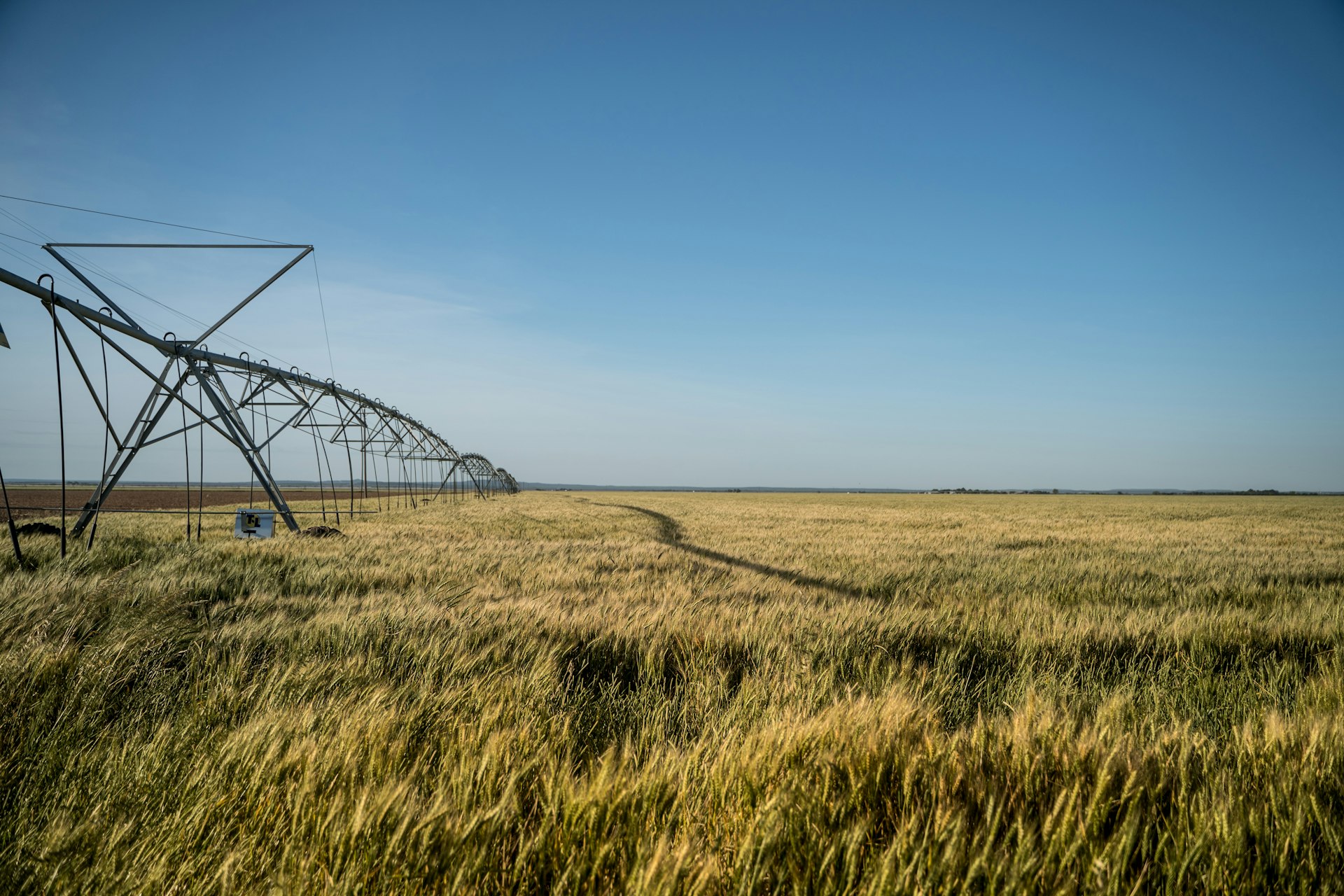
The best solar pumping projects start at the other end: reduce the water requirement first. A farm that converts to drip irrigation before going solar needs a smaller array, a smaller pump and a smaller tank — often cutting the total system cost dramatically. Elevating the storage tank adds another elegant saving: the panels pump during the day, and gravity pressurises the drip lines on whatever schedule the crop needs, sunshine or not.
That is the whole-system thinking behind our work on the World Bank's Climate Smart Irrigated Agriculture (CSIAP) and Agriculture Sector Modernization (ASMP) programmes, where modular, locally maintainable designs are helping thousands of dry-zone farming families irrigate independently of fuel and grid alike. See our solar water pumping solutions or read about planning a complete irrigation project.