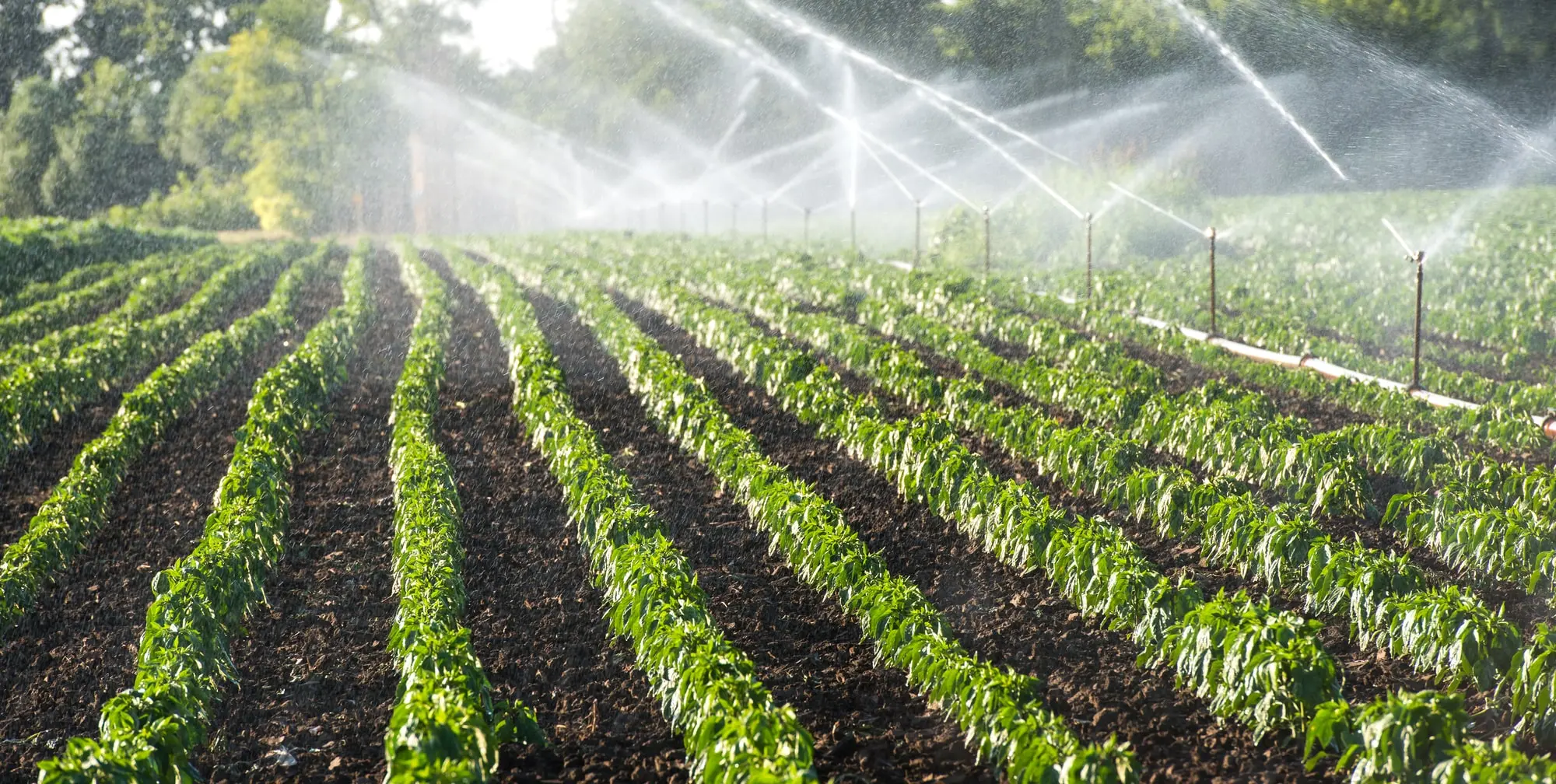
Every open-field farmer in Sri Lanka plays the same lottery: monsoon timing, pest pressure, and market prices that spike exactly when weather has wrecked supply. Protected agriculture — greenhouses, poly-tunnels and net houses — takes the biggest variable off the table. Inside a controlled structure, you decide the growing conditions, and consistency is what premium buyers pay for.
The three levels of protection
- Net houses — insect-proof mesh structures that block pests (slashing pesticide use) and moderate sun and wind. The affordable entry point, well suited to leafy greens and seedling production.
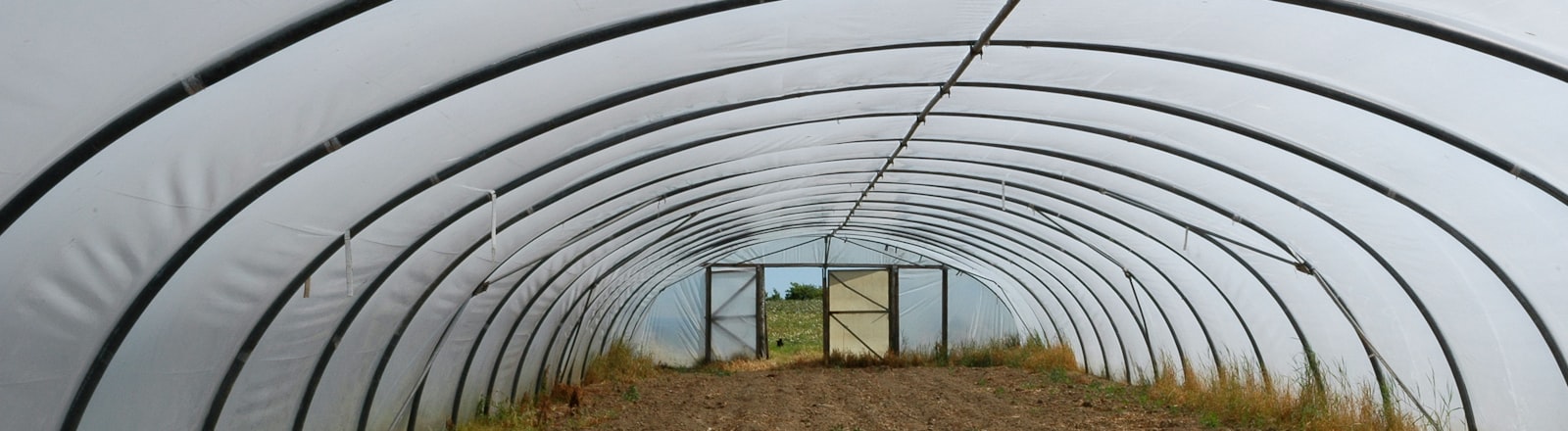
- Poly-tunnels — polythene-clad hoops that add rain protection, enabling year-round production of tomato, capsicum and cucumber without the fungal disease pressure of wet foliage.
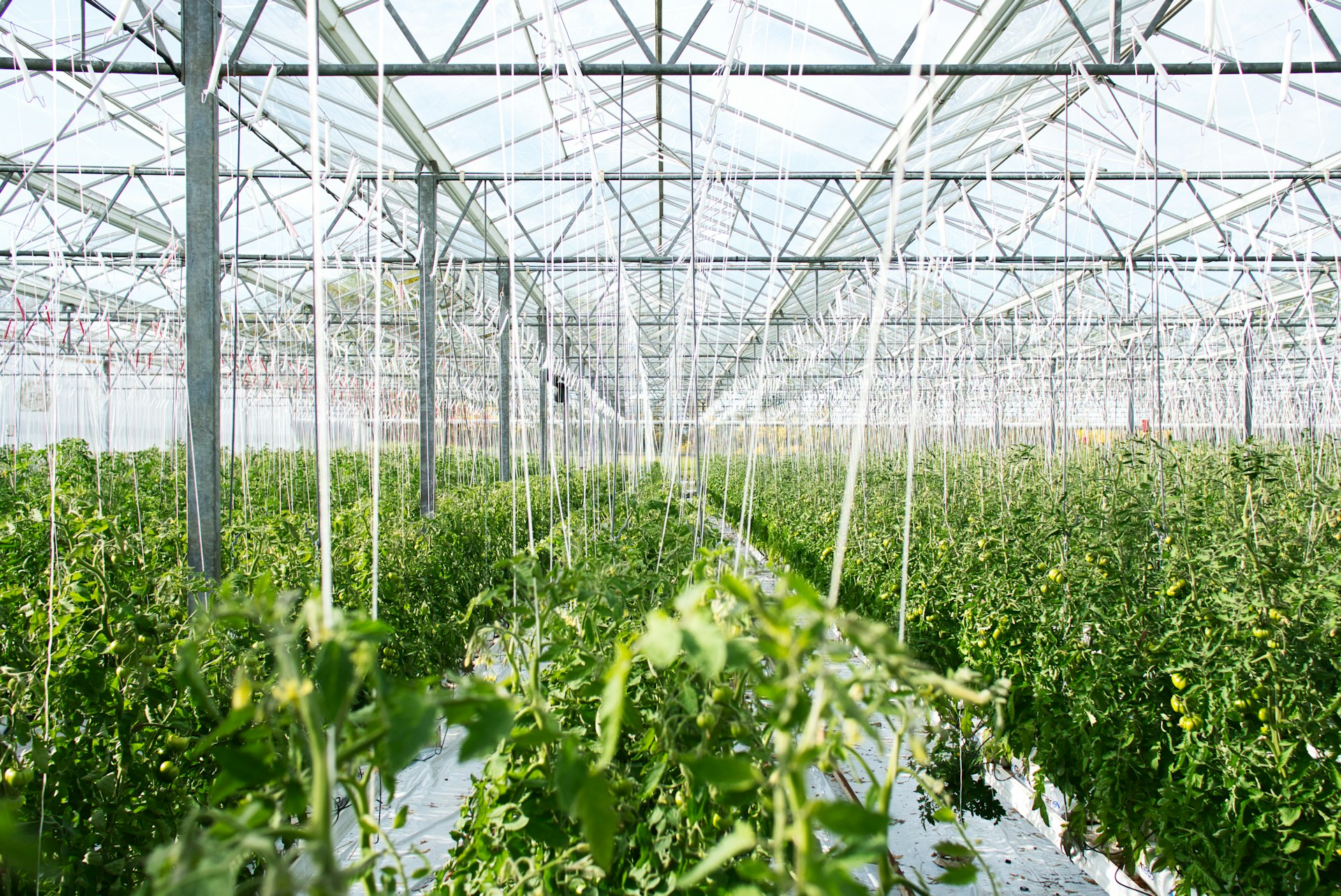
- Full greenhouses — engineered structures with ventilation management, misting or fogging, and automated fertigation. This is where export-grade consistency and premium crops like cherry tomato, salad lines and cut flowers live.
| Structure | Protects against | Typical crops | Relative cost |
|---|---|---|---|
| Net house | Insects, wind, excess sun | Leafy greens, herbs, seedlings | ★ (entry level) |
| Poly-tunnel | + Rain and foliar disease | Tomato, capsicum, cucumber | ★★ |
| Greenhouse | + Full climate management | Cherry tomato, salads, cut flowers, strawberry | ★★★ |
Designing for the tropics, not for Europe
Most greenhouse imagery online comes from cold climates, where the challenge is keeping heat in. Sri Lanka's challenge is the opposite: managing heat, humidity and monsoon wind loads. Tropical protected-agriculture design leans on tall structures for a large air buffer, generous ridge and side ventilation, shade management, and cladding and frames engineered for wind and rain that a temperate design simply won't survive. Orientation, gutter height and site drainage decide more about your yields than any gadget inside the structure.
Water and nutrition: where the yield is won
Inside a protected structure, irrigation is always drip, and nutrition is always fertigation — small, frequent, soluble doses matched to the crop stage. This precision is the engine of greenhouse economics: water use per kilogram of produce falls dramatically, fertiliser stops leaching past the roots, and crop cycles shorten. Automated dosing with basic climate monitoring keeps the operation manageable for a small team, and the skills transfer quickly with proper commissioning and training. (For the fundamentals, see our complete drip irrigation guide.)
Which crops actually pay?
The structures pay fastest on crops where consistency commands a premium or where open-field losses are chronic:
- Tomato & capsicum — the workhorses of Sri Lankan protected agriculture, supplying supermarkets and hotels that pay for grade consistency.
- Cucumber, salad leaves & herbs — short cycles mean fast cash rotation and quick learning.
- Strawberry — an up-country premium crop that is nearly impossible to grow reliably outdoors.
- Seedling & nursery production — selling uniform, disease-free seedlings to other growers is a business in itself.
- Cut flowers — export-grade stems demand blemish-free consistency only protection delivers.
The wrong reason to build a greenhouse is prestige; the right reason is a buyer who will pay for reliability you currently can't deliver from open fields.
The operating disciplines that decide profit
Structures don't grow crops; routines do. The operations that consistently make money share four habits: they scout for pests twice a week (protection lowers pressure, it doesn't eliminate it — and one lapse can seed a protected paradise for whitefly); they log EC and pH of the fertigation solution daily; they prune and train on schedule because a controlled environment amplifies both good and bad canopy management; and they clean rigorously between crops — the cheapest disease control there is.
Starting sensibly
Our advice to first-time growers is consistently the same: start with one well-built structure and one crop you already know, learn the rhythm of protected cultivation for a few cycles, then scale. A modest tunnel engineered properly — good steel, good cladding, good drip and fertigation — will teach you more and earn you more than double the area built cheaply. Protected agriculture rewards patience and punishes shortcuts, and the structure you buy is a 10–15 year decision.
We deliver protected agriculture as complete turnkey packages — structure, growing system, fertigation and training. See our protected agriculture solutions or book a consultation.